
Blocked Drain Plumber
Blocked drains can quickly disrupt your home or business. Whether it’s a slow-draining sink, overflowing toilet, or recu…

O’Brien Electrical & Plumbing Coopers Plains provides professional grease trap and trade waste services for commercial kitchens, restaurants, cafés, food businesses and truck washes across South East Queensland.
Our work keeps your system fully compliant with Queensland plumbing codes, trade waste regulations, and local council requirements.
Grease trap issues can quickly impact your business operations. That’s why we offer 24/7 emergency plumbing services to respond quickly and resolve problems with minimal disruption.
Whether you’re installing a new grease trap, upgrading an existing system, or need urgent servicing, our licensed team is ready to help with fast, reliable solutions.
We ensure your grease trap system operates efficiently, meets all compliance requirements, and supports the smooth running of your business.
What counts as trade waste, and what has to happen to it before it reaches the sewer, depends on the site.
Trade waste, in the context of food businesses, refers to wastewater containing fats, oils, and grease (FOG) generated from kitchen activities like cooking and dishwashing.
Any water used in food preparation, cooking, or cleaning that goes down the drain is considered trade waste.
Truck washes generate trade waste due to the nature of their operations. This waste can contain various contaminants like oils, grease, dirt, and detergents. Discharging this untreated wastewater directly into the sewer system can cause blockages, damage infrastructure, and pollute the environment.
To mitigate these issues, truck washes need to implement pre-treatment systems before discharging wastewater. These systems aim to remove or reduce harmful substances to acceptable levels as defined by local water authorities.
Grease traps, also known as grease interceptors, are plumbing devices installed in food service businesses to capture fats, oils and grease before they enter the sewer system.
They are specifically designed to separate FOG from wastewater. They work by slowing down the flow of wastewater, allowing FOG to cool and solidify or float to the surface, where it’s trapped. The cleaner water is then discharged into the sewer system.
In addition to grease traps, truck washes may also require oil/water separators. These devices are designed to separate oils and other hydrocarbons from water, preventing them from entering the sewer.
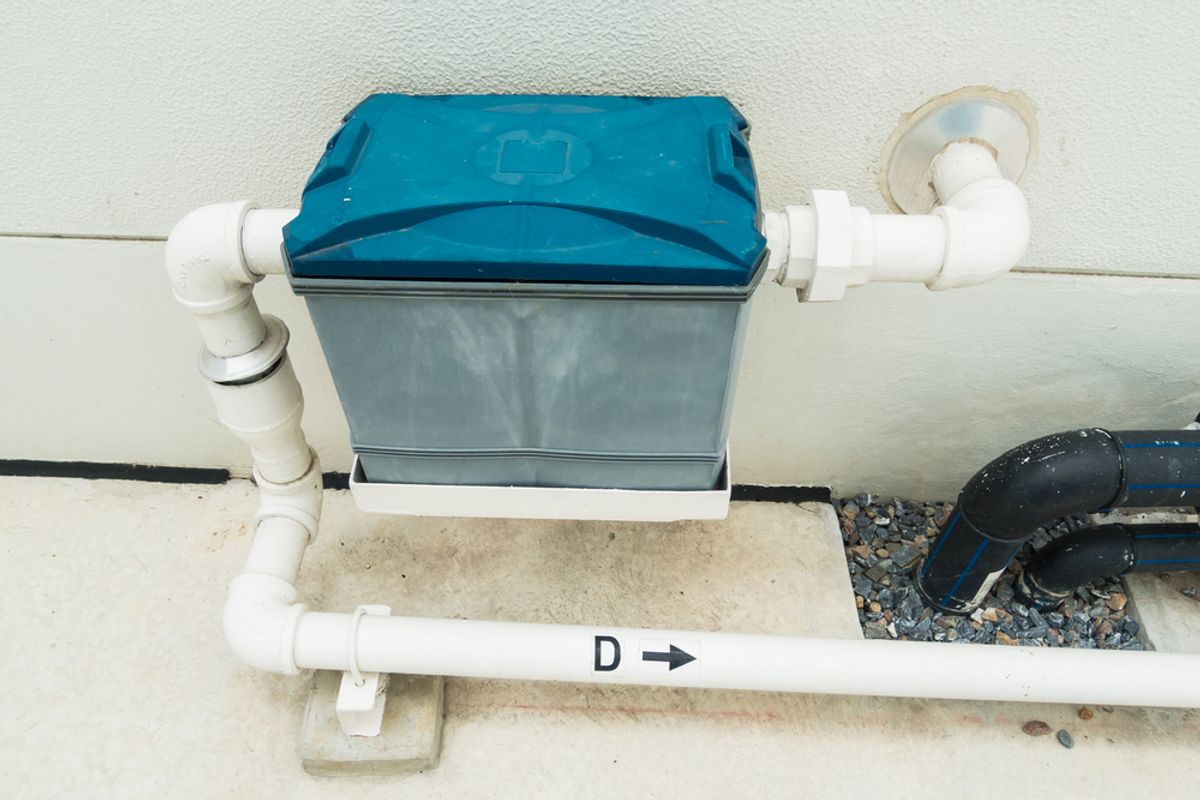
Discharging fats, oils and grease into the sewer causes significant problems.
This applies to any site putting trade waste down the drain, from a café kitchen to a truck wash bay.
Businesses generating trade waste, including truck washes, typically need to obtain a trade waste permit or agreement from their local water authority. These permits outline the specific requirements for pre-treatment, discharge limits, and monitoring.
Maintaining the pre-treatment systems, including grease traps and oil/water separators, is crucial for ensuring their effectiveness and compliance with regulations. Regular cleaning and maintenance are essential to remove accumulated FOG and solids.
Specific requirements for trade waste management, including the type and capacity of pre-treatment systems, can vary between locations. It’s important for truck wash operators to consult with their local water authority or council to understand the specific regulations applicable to their area.
We proudly service Coopers Plains and the surrounding Brisbane southside suburbs.
Commercial grease traps are enclosed cavities (rectangular in shape) dug into the ground and close by to the commercial kitchen which collect liquid waste (grease and water) which exits the kitchen sink. Because grease floats, it is “trapped” in between baffle walls inside the grease trap, while allowing the cleaner water to safely exit the grease trap.
Most local councils dictate that the traps be cleaned every month, two months, or three months depending on the grease output. However, businesses almost always require cleaning at least once every three months.
Trade waste refers to any liquid waste generated by commercial, industrial, or trade-related activities that is discharged into the sewerage system. It differs from domestic wastewater, which comes from residential sources like kitchens, bathrooms, and laundries.

Tell us what you need and we’ll get back to you.
For any electrical or plumbing emergency, please call (07) 3277 7345 and follow the prompts to go through to the on-call technician.
Blocked drains can quickly disrupt your home or business. Whether it’s a slow-draining sink, overflowing toilet, or recu…
O’Brien Electrical & Plumbing Coopers Plains provides professional CCTV drain inspections for residential, commercial, a…
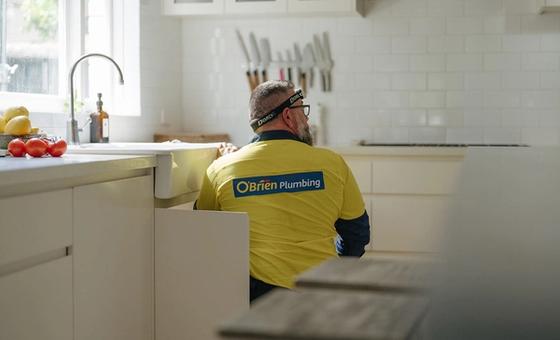
O’Brien Electrical & Plumbing Coopers Plains works on kitchens, bathrooms and laundries across Brisbane, Logan, Ipswich …

At O’Brien Electrical & Plumbing Coopers Plains, we provide reliable commercial plumbing maintenance services across Bri…