
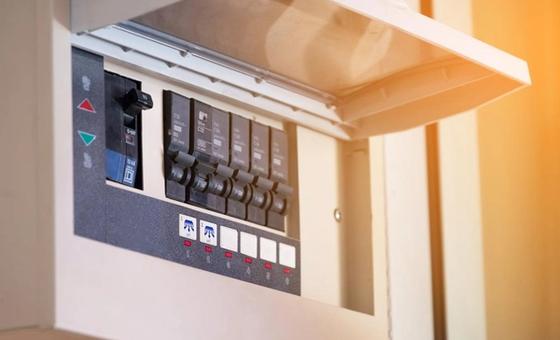
Safety Switches Vs Circuit Breakers: What’s The Difference?
In this blog, we’ll explore the essential details of safety switches and circuit breakers highlighting their importance in keeping your home safe.
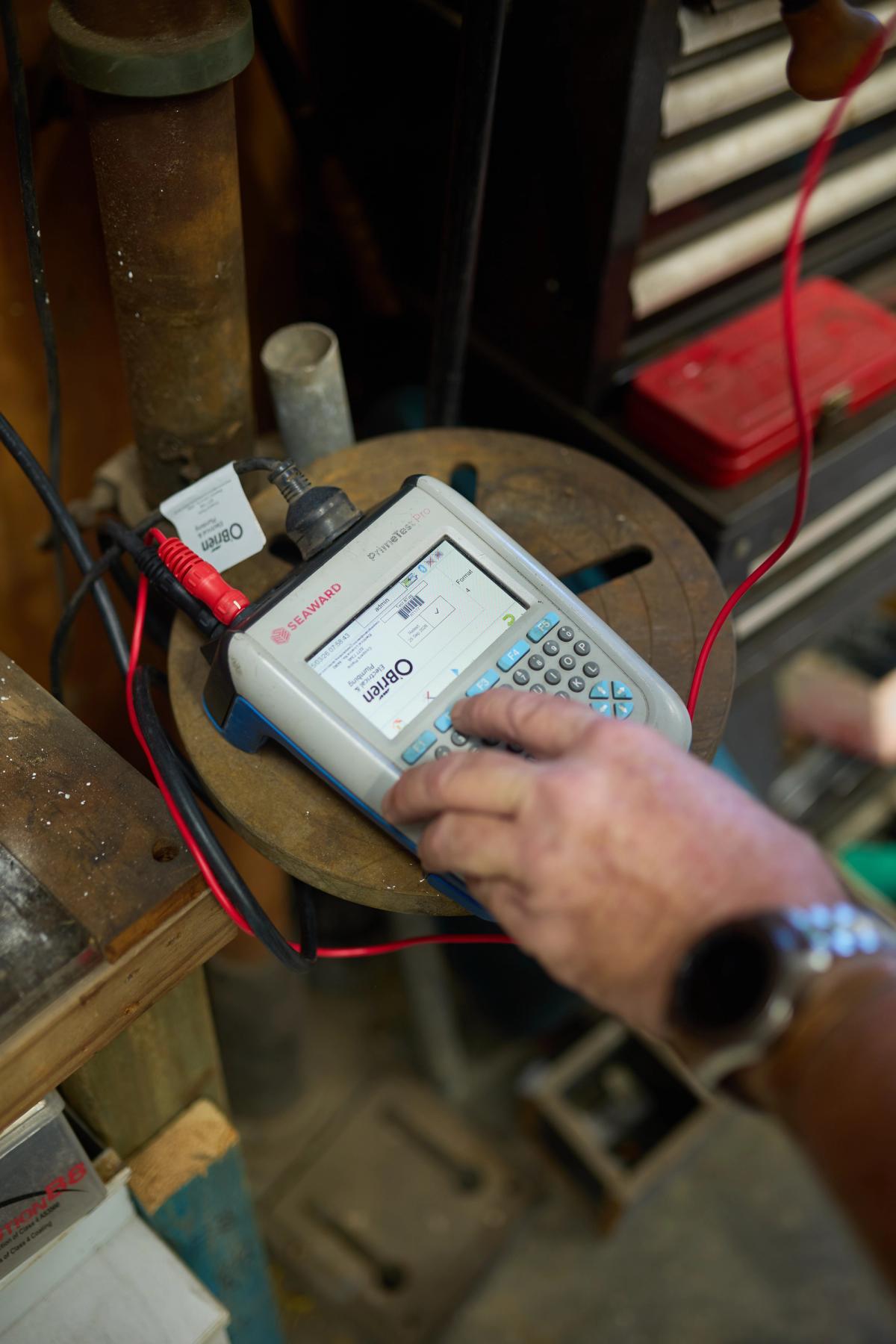
Keep your workplace compliant and your team safe with professional test and tagging services from O’Brien Electrical & Plumbing Coopers Plains. We provide reliable electrical appliance testing and tagging for businesses across Coopers Plains, Brisbane Southside, and surrounding suburbs.
Our licensed electricians help businesses meet Australian Standards by identifying faulty or unsafe electrical equipment before it becomes a hazard. Whether you manage an office, warehouse, retail store, workshop, construction site, or commercial facility, we deliver efficient and compliant testing solutions tailored to your workplace. We also offer mobile on-site testing & tagging to minimise disruption to your workplace.
Routine electrical testing is essential for maintaining a safe and compliant workplace. Businesses that fail to maintain electrical equipment may face safety risks, insurance complications, or workplace compliance issues.
Our team provides detailed reporting and tagging records to help simplify your WHS obligations.
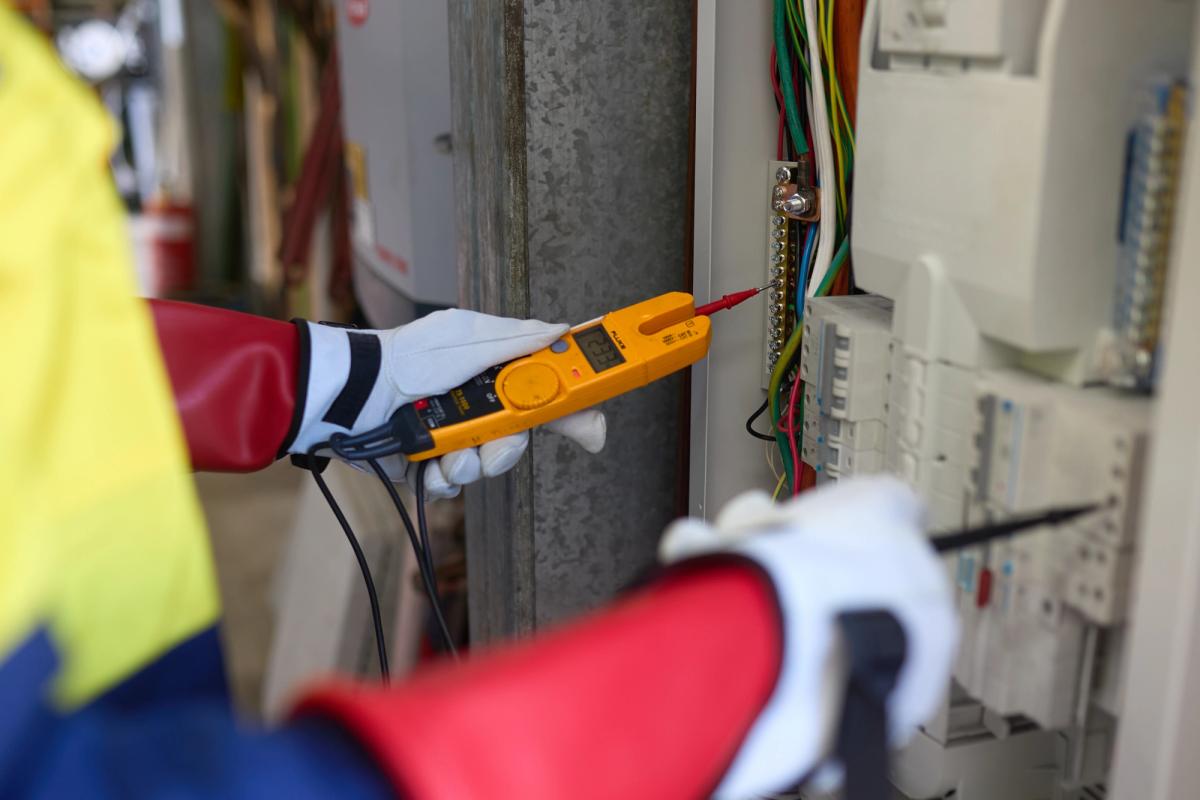
We work with a wide range of industries and businesses throughout Brisbane, including:
Whether you need a once-off inspection or scheduled ongoing testing, we can create a maintenance plan suited to your business operations.
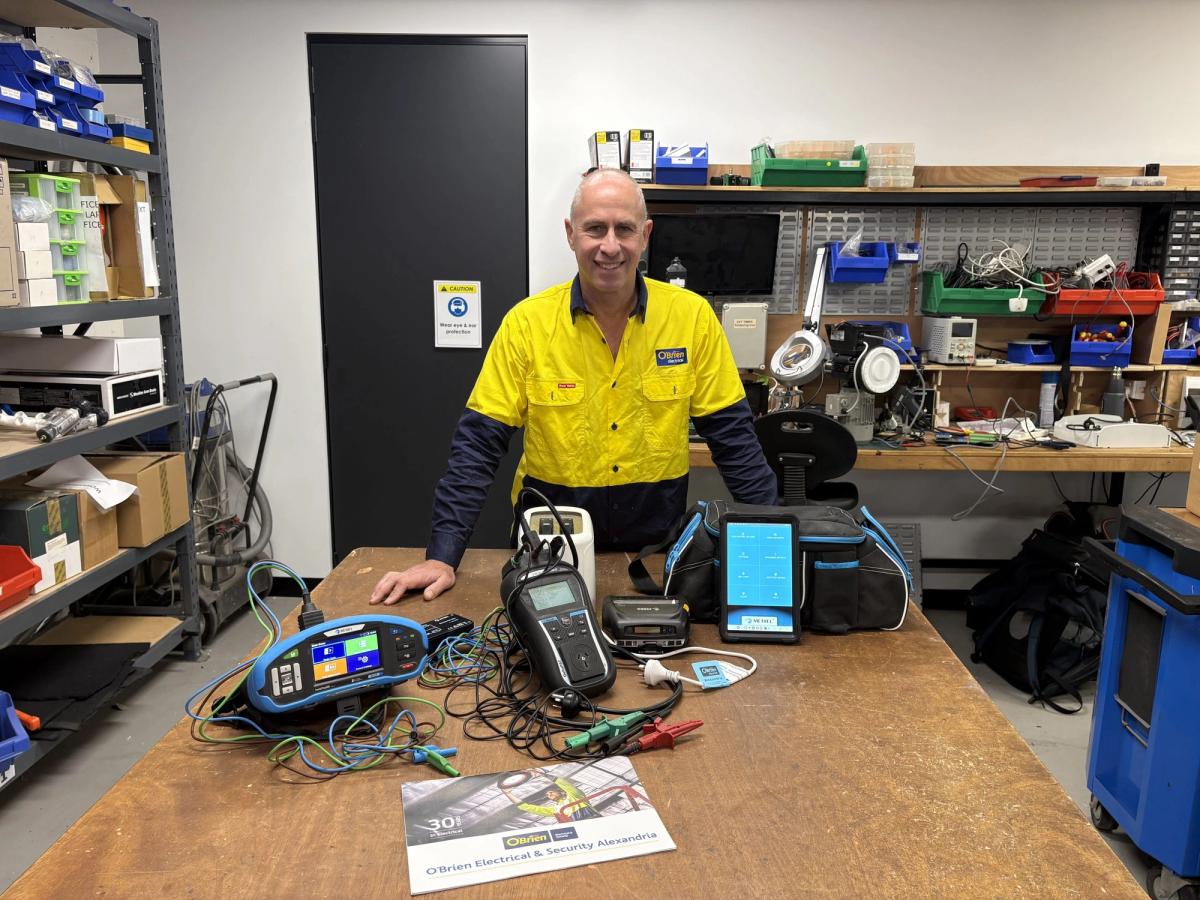
We proudly service Coopers Plains and the surrounding Brisbane southside suburbs.
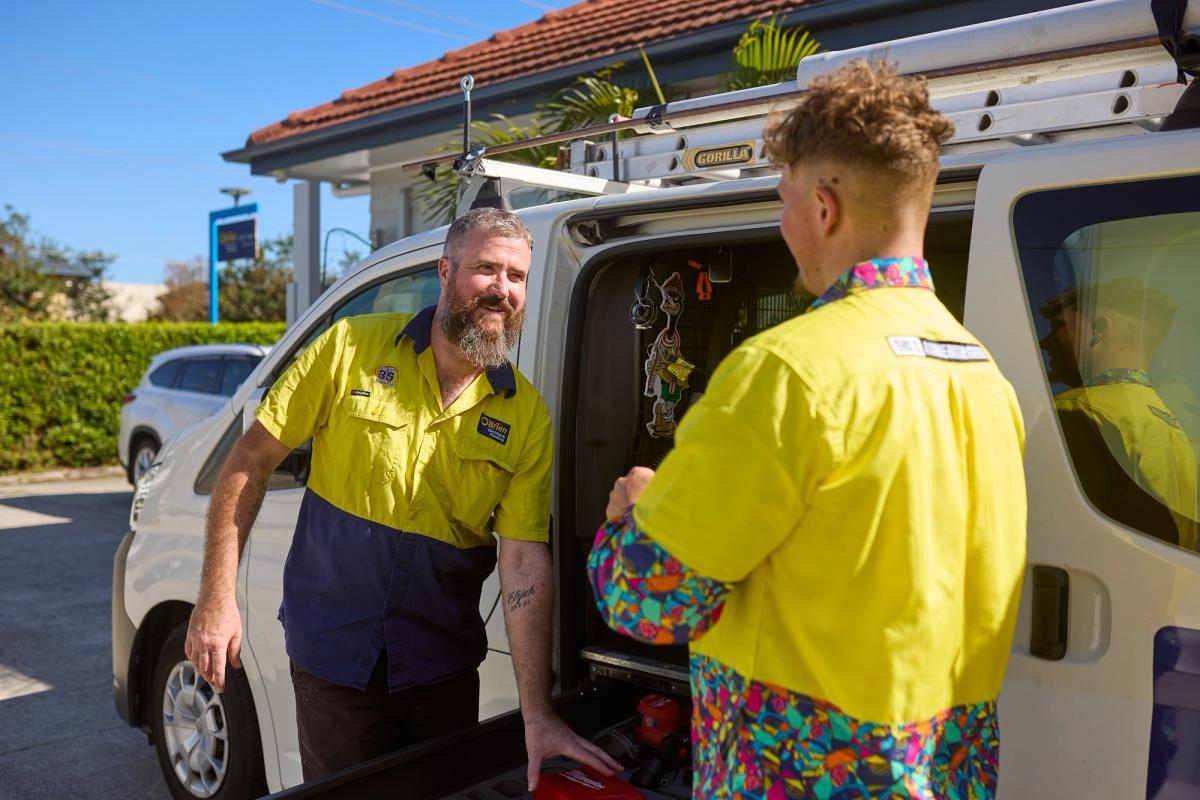
The frequency for electrical testing and tagging depends on the type of workplace, the environment the equipment is used in, and the level of risk associated with the equipment.
Testing intervals are guided by the Australian Standard AS/NZS 3760:2022 and Queensland workplace safety legislation, including the Electrical Safety Act 2002 (Qld) and Electrical Safety Regulation 2013 (Qld).
Examples of recommended testing intervals include:
Queensland businesses have a legal duty to ensure electrical equipment is safe to use and maintained in a safe condition. Regular test and tagging helps demonstrate compliance and reduces the risk of workplace incidents.
Queensland businesses are required to ensure all electrical equipment used in the workplace is electrically safe under the Electrical Safety Act 2002 (Qld).
While the legislation does not specifically state that every appliance must be “tagged,” businesses must demonstrate that equipment has been inspected, tested, and maintained appropriately. Test and tagging is the most widely accepted method of demonstrating compliance with:
For certain industries and higher-risk environments, regular testing and tagging is considered essential to meet workplace safety obligations and manage electrical risk.
Most portable electrical equipment used in workplaces should be routinely inspected and tested to ensure it remains safe for use.
Common equipment requiring testing and tagging includes:
Any electrical appliance connected via a plug and socket outlet may require testing depending on the workplace environment, usage conditions, and risk assessment.
Yes. O’Brien Electrical & Plumbing Coopers Plains offers flexible scheduling, including after-hours and weekend testing services where required.
We understand that many businesses need testing completed outside normal operating hours to minimise disruption to staff, customers, and day-to-day operations. Our electricians can arrange testing schedules to suit offices, retail stores, warehouses, hospitality venues, schools, and commercial facilities.
If an electrical item fails inspection or testing, it must be removed from service immediately to protect workers and prevent potential electrical hazards.
Under Queensland workplace safety requirements and AS/NZS 3760:2022, failed equipment is typically fitted with a clearly visible tag labelled:
This indicates the appliance or equipment is unsafe and must not be used until it has been repaired, retested, and confirmed safe by a qualified person.
Equipment may fail testing and tagging for a range of reasons, including:
Queensland businesses have a duty under the Electrical Safety Act 2002 (Qld) to ensure unsafe electrical equipment is not used in the workplace. Continuing to use failed equipment may place workers at risk and could lead to compliance or insurance issues.
At O’Brien Electrical & Plumbing Coopers Plains, our team will explain the reason for the failure and help you determine the most practical solution, including:
We provide clear reporting and fast support to help keep your workplace safe, compliant, and operational.
Yes. In Queensland workplaces, brand-new electrical equipment does not always require full electrical testing before first use if the item is in new condition, has been supplied by a reputable manufacturer, and is inspected for visible damage before being placed into service.
Under AS/NZS 3760:2022, new equipment may be identified with a “New To Service” tag instead of undergoing initial testing and tagging. The tag should record:
However, even brand-new equipment can still contain manufacturing faults, damaged plugs, incorrect wiring, or earthing issues that may not be immediately visible. For this reason, many Queensland businesses choose to have new equipment electrically tested before use as part of their workplace safety procedures.
Once the equipment is in service, it must then be inspected and tested at the appropriate intervals based on the workplace environment and risk level in accordance with:
Our electricians can advise whether your new equipment requires immediate testing or can be safely recorded as “New To Service” under current Queensland compliance requirements.
In this blog, we’ll explore the essential details of safety switches and circuit breakers highlighting their importance in keeping your home safe.

Tell us what you need and we’ll get back to you.
For any electrical or plumbing emergency, please call (07) 3277 7345 and follow the prompts to go through to the on-call technician.
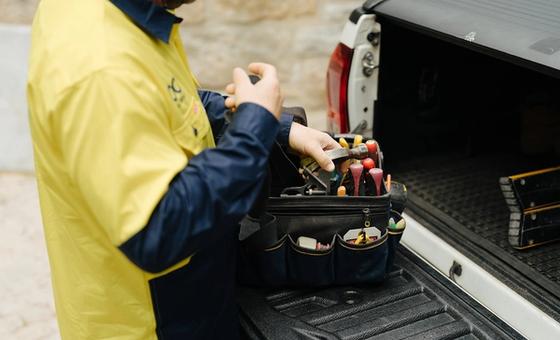
O’Brien Electrical & Plumbing Coopers Plains provides 24/7 emergency electrical service across Brisbane Southside. Our l…
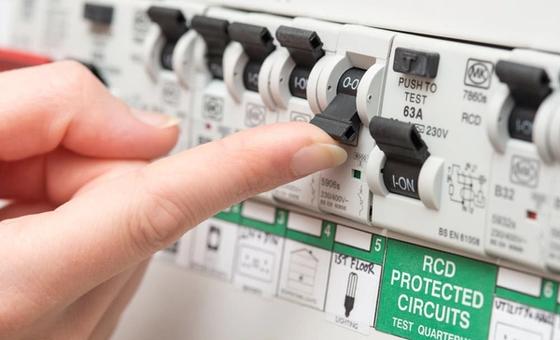
Safety switches are hugely important when it comes to keeping your family safe and preventing electrical fires in the ho…
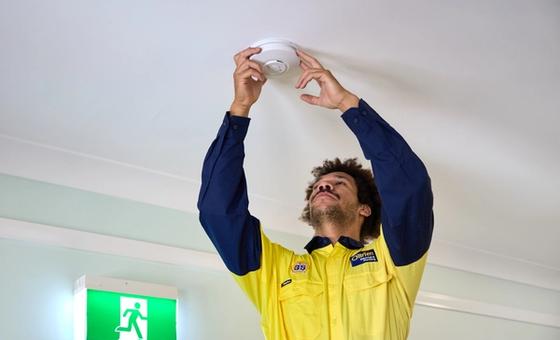
Keep your home and family protected with professional smoke alarm inspection, testing, installation and compliance servi…
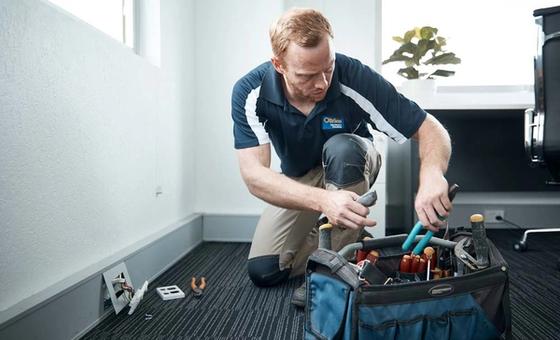
At O’Brien Electrical & Plumbing Coopers Plains, we provide reliable commercial electrical services across Brisbane, Log…